

Description
The philosophy of Richard Rorty
Book summary
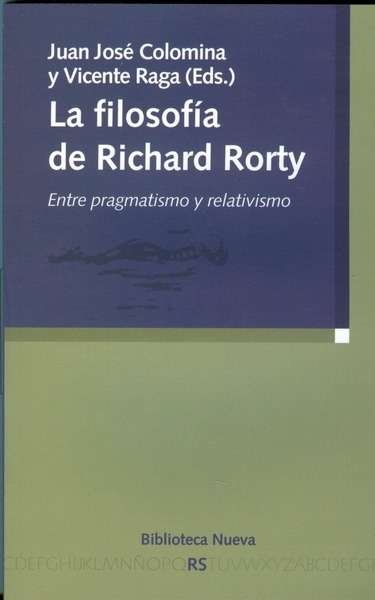
This collective volume pays posthumous tribute to Richard Rorty, one of the most influential figures in 20th-century American philosophy. The work examines the different areas of his thought, from pragmatism to relativism, and analyzes his unique way of understanding philosophy. The texts not only illuminate key facets of his vision on pressing philosophical topics but also highlight the difficulties posed by his arguments. The book serves as an essential reading guide and a hermeneutic tool for reflecting on current issues in the modern philosophical landscape.
What is it about?
The book approaches Richard Rorty's work from multiple perspectives, offering a critical analysis of his thought. The collected texts explore how Rorty intervened in areas such as philosophy of language, epistemology, ethics, and politics, always from a pragmatist perspective that questions absolute truths. Through these studies, his most prominent contributions are examined, such as his critique of traditional analytic philosophy and his defense of a more literary and conversational approach. Furthermore, the internal tensions of his thought are highlighted, especially regarding relativism and the role of truth, thus offering a complete and nuanced vision of his legacy.
Main themes
- Pragmatism and neopragmatism in contemporary philosophy.
- Relativism and the critique of traditional epistemology.
- Philosophy of language and the linguistic turn.
- Ethics, social philosophy, and politics from a Rortian perspective.
- The relationship between philosophy, literature, and democracy.
Who is it recommended for?
This book is aimed at students and professionals of philosophy interested in contemporary thought, as well as researchers seeking a deep understanding of Richard Rorty's work. It will also be highly useful for readers with a background in social sciences or the humanities who wish to explore the intersections between pragmatism, relativism, and political theory. It is recommended reading for those who are already familiar with the foundations of Rorty's thought and wish to delve into its implications and criticisms.
What this book provides
- A structured and comprehensive guide to the thought of Richard Rorty, facilitating the understanding of his most complex ideas.
- A critical analysis that points out both the successes and the difficulties of his arguments, fostering a balanced reflection.
- A hermeneutic tool for addressing current philosophical problems from a pragmatist and relativist perspective.
- A panoramic view of Rorty's contributions to philosophy, ethics, and politics, integrating different areas of his work.
Technical specifications
- Author: Various authors
- Publisher: Biblioteca Nueva
- Language: Spanish
- Topic: PHILOSOPHY, ETHICS AND MORAL PHILOSOPHY, SOCIAL AND POLITICAL PHILOSOPHY
- Collection: REASON AND SOCIETY
- Edition date: March 2010
- Number of pages: 272
- Weight: 330 g
Editorial review
This volume is an indispensable reference for those wishing to delve into the thought of Richard Rorty from a critical and updated perspective. The plurality of the authors' approaches makes it possible to cover the main areas of his work, offering both an accessible introduction and a rigorous analysis. The work stands out for its ability to illuminate the tensions and contributions of a philosopher who remains a subject of debate in contemporary philosophy, making it a valuable read for students, academics, and any reader interested in the philosophical problems of the 21st century.