

Description
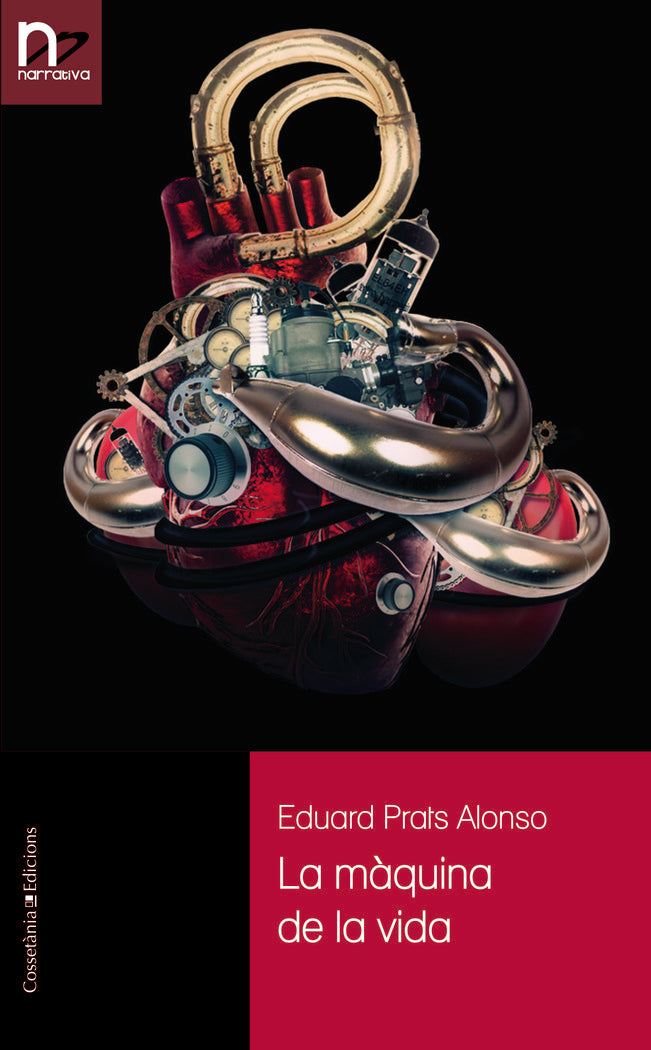
The Life Machine
Book Summary
An epistolary novel that transports us to 1957 New York, where young psychiatrist Cristina Ardèvol seeks a treatment for her kidney disease. Through her correspondence with Nicole, mother of a child with Down syndrome, an intimate tale unfolds that intertwines the personal struggle against illness, the ethical dilemmas of science, and the strength of a friendship that transcends time. A work that invites reflection on the limits of medicine and the healing power of words.
What is it about?
The story begins in Barcelona, 1957. Cristina Ardèvol, a young psychiatrist, meets Nicole, mother of a child with Down syndrome, just before traveling to New York in search of a solution for her own kidney disease. This chance encounter begins an exchange of letters that will last for three years.
Through their letters, Cristina and Nicole share their most intimate experiences: Cristina’s medical progress and setbacks, the challenges Nicole faces as a mother, and their reflections on life, death, and love. In parallel, Cristina immerses herself in the vibrant New York scientific world, meeting prominent researchers in infectious diseases, human reproduction, and hemodialysis. This experience confronts her with the complexities and ethical dilemmas of medical experimentation of the era.
Twenty years later, after both have passed away, Raquel, Cristina’s daughter, decides to make this correspondence public, revealing a story of friendship, struggle, and discovery that connects two lives separated by the ocean.
Main Themes
- Ethics in medical experimentation and the dilemmas of scientific progress.
- Kidney disease and pioneering treatments like hemodialysis.
- Female friendship and the power of epistolary communication as a deep bond.
- Motherhood and the challenges of raising a child with Down syndrome in the 1950s.
- The search for meaning in the face of illness and death.
Who is it recommended for?
For readers interested in historical novels with a medical and scientific background, especially those that explore the ethical dilemmas of research. Also for those who enjoy epistolary stories, tales of personal perseverance, and plots that combine human drama with scientific dissemination. An ideal read for lovers of contemporary narrative with a strong reflective component.
What this book offers
- An immersion into the ethical debates of mid-20th-century medicine.
- An intimate perspective on the experience of illness and the search for treatments.
- A story of female friendship told with sensitivity and emotional depth.
- A detailed portrait of the scientific environment in 1950s New York.
- A reflection on legacy and memory through private correspondence.
Technical Data
- Author: Prats Alonso, Eduard
- Publisher: Cossetània Edicions
- Language: Catalan
- Subject: Modern and contemporary fiction, Fiction: special features
- Collection: Narrative
- Binding: Paperback
- Publication date: October 2020
- Number of pages: 288
- Weight: 352 g
Editorial Review
A novel that successfully unites historical-scientific rigor with an emotionally engaging plot. The epistolary structure allows for a direct approach to the characters' psychology, while the medical context provides a layer of depth uncommon in contemporary fiction. Recommended for those seeking a read that stimulates both the intellect and the sensibilities, combining personal drama with a reflection on the limits of science and the human condition.