
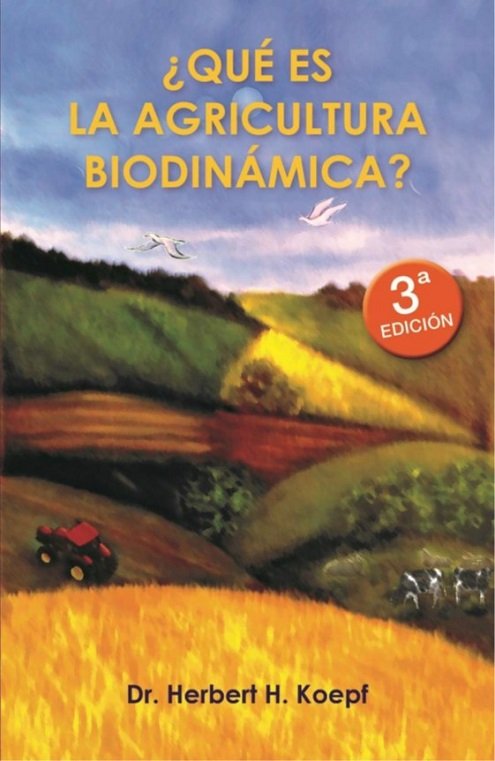

Description
What is biodynamic agriculture?
Book Summary
This book offers a clear and concise introduction to the fundamentals of biodynamic agriculture, an agricultural approach that conceives the farm as a living, self-sufficient organism. Based on the teachings of Rudolf Steiner, the work explains the principles that integrate the spiritual dimension of nature with traditional agricultural practices. The reader will discover how this method seeks sustainability and ecological balance, considering the cosmic and earthly forces that influence the development of crops and livestock.
What is it about?
The book begins with the origin of the biodynamic movement, which emerged after the eight lectures given by Rudolf Steiner in 1924. It explains how the attending farmers applied these teachings to develop an agricultural system that goes beyond conventional techniques. The work describes the anthroposophical vision of nature, where the farm is understood as an organic, living, and dynamic whole. It addresses concepts such as the preparation of biodynamic composts, the importance of natural rhythms, and the integration of animals and plants to create a balanced and self-regulating ecosystem.
Main themes
- Fundamentals of biodynamic agriculture and its origin in Rudolf Steiner's lectures.
- The farm as a living, self-sufficient organism in dynamic equilibrium.
- Integration of anthroposophy and the spiritual vision of nature into agricultural practice.
- Principles of sustainability and ecological management of crops and livestock.
Who is it recommended for?
This book is aimed at farmers, horticulturists, agronomy students, and people interested in sustainable and alternative cultivation methods. It is also suitable for readers who wish to understand the philosophical and practical principles underlying biodynamics, as well as for those seeking a holistic view of the relationship between human beings, the earth, and the cosmos in the agricultural sphere.
What this book provides
- A clear understanding of the origins and basic principles of biodynamic agriculture.
- An integrative vision that connects agricultural practice with a spiritual perspective of nature.
- Conceptual tools for applying an ecological and sustainable approach to farm management.
Technical specifications
- Author: Koepf, Herbert H.
- Publisher: Editorial Rudolf Steiner S.L.
- Language: Spanish
- Subject: Agriculture and farming, Sustainable agriculture
- Collection: Rudolf Steiner, Editorial
- Binding: Paperback
- Date of publication: September 1996
- Number of pages: 54
- Weight: 103 g
Editorial review
This is a brief but fundamental work for those who wish to get started in biodynamics with rigor. Its value lies in presenting the key ideas of Rudolf Steiner applied to agriculture in an accessible way, without losing conceptual depth. It is a recommended read for professionals in the sector looking for sustainable alternatives and for anyone interested in a more conscious relationship with the rural environment.