

Description
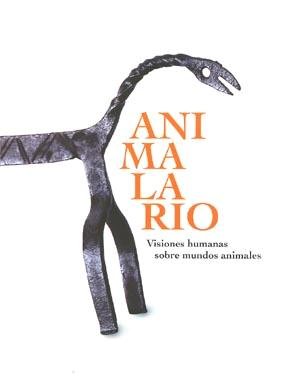
Bestiary. Human visions of animal worlds
Book Summary
This catalog, published on the occasion of the homonymous exhibition held at the Museo del Traje (Costume Museum), offers a profound reflection on the complex and changing relationship between human beings and animals. Through a careful selection of pieces from the museum itself, the work explores the multiple attitudes, symbolisms, and uses that different cultures have projected onto the animal world. More than a simple inventory, the book becomes a visual and textual essay that invites us to question our own perceptions and to discover how, by looking at animals, we are looking at ourselves.
What is it about?
The volume analyzes how animals have been represented, used, and conceptualized throughout history, making use of the rich heritage of the Museo del Traje. The exhibition, and by extension the catalog, is not limited to displaying objects, but uses them as a testimony of human visions: from domestication and exploitation to veneration and symbolization. Each selected piece, whether it is a garment, an ornament, or a utensil, tells a story about the place that animals occupy in our social, economic, and spiritual life. The work structures this thematic journey to reveal the contradictions and diversity of our relationship with other species.
Main themes
- The symbolic representation of animals in clothing and everyday objects.
- The evolution of human attitudes toward animals, from domestication to conservation.
- The use of animal-derived materials in the creation of clothing and accessories throughout history.
- The social and cultural function of animals as markers of status, identity, and beliefs.
- Visual and material anthropology as a tool for understanding the nature-culture relationship.
Who is it recommended for?
This book is aimed at an audience interested in social and cultural anthropology, ethnography, and studies on the relationship between humans and animals. It will also be of great value to professionals and enthusiasts of the world of fashion, textile design, and costume history, as well as those looking for a reflective and documented look at material heritage. It is ideal for readers who appreciate well-edited exhibition catalogs with an academic but accessible approach.
What this book offers
- A unique perspective that connects the history of dress and objects with the history of our conceptions of animals.
- A detailed visual and textual analysis of over 400 pages, with pieces selected from the Museo del Traje.
- A deeper understanding of how human societies build their identity through their relationship with other species.
- A reference work that combines academic rigor with an attractive and careful visual presentation.
Technical data
- Author: Ministry of Education, Culture and Sport. Area d
- Publisher: Ministry of Education, Culture and Sport. Area d
- Language: Spanish
- Subject: EXHIBITION AND SPECIFIC COLLECTION CATALOGS, SOCIAL AND CULTURAL ANTHROPOLOGY, ETHNOGRAPHY
- Collection: TBD. COLLECTION
- Binding: Other
- Publication date: January 2005
- Number of pages: 416
- Weight: 2050 g
Editorial assessment
This is a work of reference and visual enjoyment that stands out for its interdisciplinary approach, combining anthropology, ethnography, and costume history. Its value lies in the ability to transform a temporary exhibition into a permanent document that invites reflection. For the specialized public or the curious reader, this catalog represents a unique opportunity to access a deep and well-documented analysis of how the objects that surround us reflect our visions of the animal world.