

Description
THE HOLOCAUST AND CULTURAL PROPERTY
Book Summary
This collective work addresses one of the most complex open wounds of the 20th century: the massive looting of cultural property from the Jewish community by the Nazi regime. Through rigorous analysis, the book examines international regulations, the role of transitional justice, and emblematic legal cases such as Cassirer or the Gurlitt collection. The reader will find the keys to the art of restitution and an updated review of an issue that, far from being closed, continues to generate legal and ethical debates in courts around the world.
What is it about?
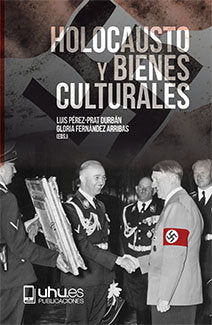
The book analyzes the restitution of cultural property looted from the Jewish community in Germany and Nazi-occupied territories between 1933 and 1945. The work demonstrates that this issue is not closed, given the magnitude of the looting and the number of works still not returned. Recent rulings by domestic courts are examined, which show that the dispute between descendants of the former owners and current possessors remains ongoing, with the Cassirer case as a paradigmatic example. The work reviews the current situation from the perspective of international regulations, the application of the transitional justice model, Spain's position regarding the dispersion of Nazi artistic plunder, and notable cases such as the Gurlitt collection.
Main Topics
- Nazi looting of cultural property from the Jewish community (1933-1945)
- Restitution and international regulations for the return of works of art
- Transitional justice applied to the reparation of cultural looting
- Analysis of emblematic legal cases: Cassirer and the Gurlitt collection
- The specific situation of Spain regarding Nazi artistic looting
Who is it recommended for?
It is aimed at art historians, specialists in international law, cultural heritage professionals, students of contemporary and 20th-century history, as well as readers interested in historical memory, transitional justice, and the ethical and legal dilemmas surrounding the restitution of works looted during the Holocaust.
What this book offers
- An updated and rigorous vision of the state of restitution of cultural property looted by the Nazis.
- The analysis of recent legal cases that set precedents in the field, such as Cassirer and Gurlitt.
- A multidisciplinary perspective that integrates international regulations, transitional justice, and concrete case studies.
- A detailed examination of Spain's situation in relation to Nazi artistic looting.
Technical Specifications
- Author: Various Authors
- Publisher: University of Huelva
- Language: Spanish
- Subject: Art history and design styles: c. 1900, 20th-century history: c. 1900-c. 2000, Social and cultural history, The Holocaust, Politics and government
- Collection: COLLECTANEA
- Binding: Hardcover
- Edition date: Not specified
- Number of pages: 270
- Dimensions: Not specified
- Weight: 609 g
Editorial Review
This is a reference work for those seeking to understand the legal, historical, and ethical complexity surrounding the restitution of cultural property looted during the Holocaust. Its multidisciplinary approach and the topicality of the cases analyzed make it a valuable resource for both specialists and readers interested in the still-current consequences of one of the greatest cultural thefts in history.