

Description
The Good Savage
Book Summary
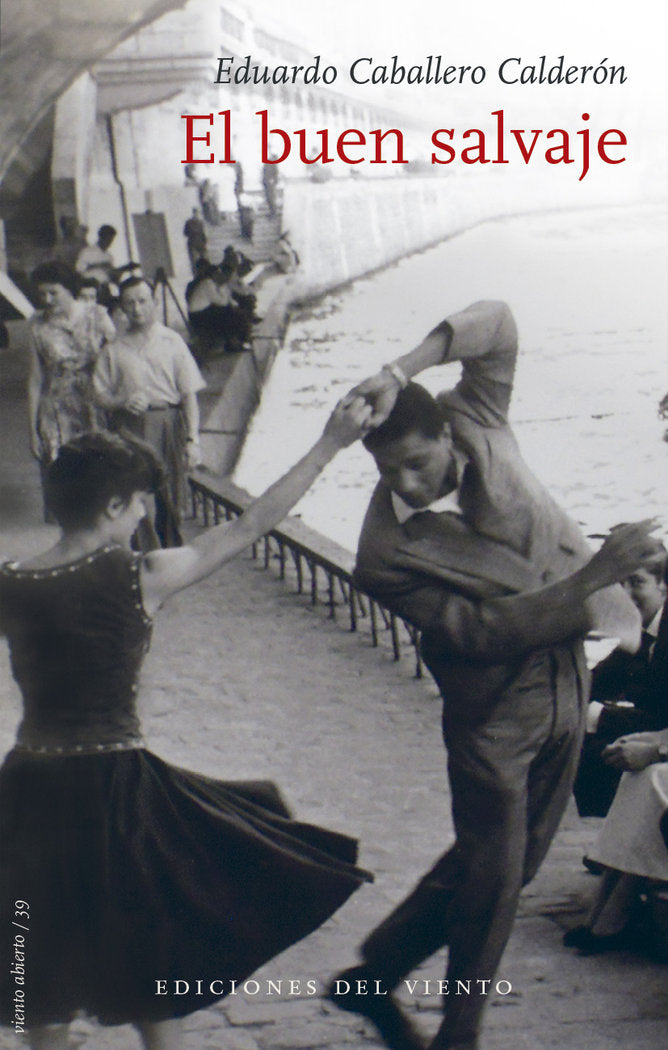
In The Good Savage, the reader is immersed in the Parisian bohemian scene alongside a young South American writer struggling to make his way in the literary world. This novel, winner of the 1965 Nadal Prize, combines the picaresque tradition with a lucid and parodic tribute to the great masters of universal literature. Beyond the anecdote of survival, the work stands as a generational portrait and a key precursor to later Latin American narrative. Its primary value lies in its ability to explore the tension between artistic ideals and the harsh realities of exile and precarity.
What is it about?
The novel recounts the trials and tribulations of a young Colombian writer living in Paris, determined to finish his first novel while scraping by in cafes and boarding houses. Through his eyes, the reader witnesses a bittersweet portrait of bohemian life, where hunger, the need for money, and romantic relationships intertwine with literary ambition. The protagonist navigates between admiration and parody of figures such as Proust, Gide, Balzac, or Dostoevsky, whose works serve him as both inspiration and a mirror in which to see himself. The plot, with its picaresque and decadent tone, not only chronicles the struggle for survival but also reflects on the act of writing and the place of the Latin American intellectual in the Europe of that time.
Main themes
- The literary bohemia and the life of the writer in exile.
- Parody and homage to the European literary tradition.
- Economic precarity and the struggle for survival.
- The conflict between artistic ambition and material reality.
- The identity of the Latin American intellectual in the European context.
Who is it recommended for?
This book is aimed at readers interested in 20th-century Latin American literature, especially those who appreciate coming-of-age novels and stories about writers. It will also be attractive to those who enjoy picaresque narrative, ironic humor, and plots set in bohemian Paris. It is an ideal work for readers looking for a literary antecedent to authors such as Roberto Bolaño or Bryce Echenique.
What this book offers
- A lucid and entertaining vision of Parisian bohemian life and the challenges faced by writers.
- A literary game that combines parody with homage to the great classics.
- A key work for understanding the evolution of contemporary Latin American narrative.
- A deep reflection on art, ambition, and cultural identity.
- An enjoyable and agile read, with a narrative style rich in nuance and humor.
Technical specifications
- Author: Eduardo Caballero Calderón
- Publisher: Ediciones del Viento, S.L.
- Language: Spanish
- Subject: Modern and contemporary fiction
- Collection: Viento Abierto
- Binding: Paperback
- Publication date: November 2015
- Number of pages: 280
- Weight: 450 g
Editorial assessment
The Good Savage is a novel that has transcended its original context to become a benchmark of Latin American literature. Its value lies not only in the quality of its prose and its picaresque structure, but in its ability to anticipate themes and styles that would later be developed by other renowned authors. It is a work that is of interest both for its historical value and its narrative relevance, offering an acute and entertaining look at the condition of the writer in exile.