
Description
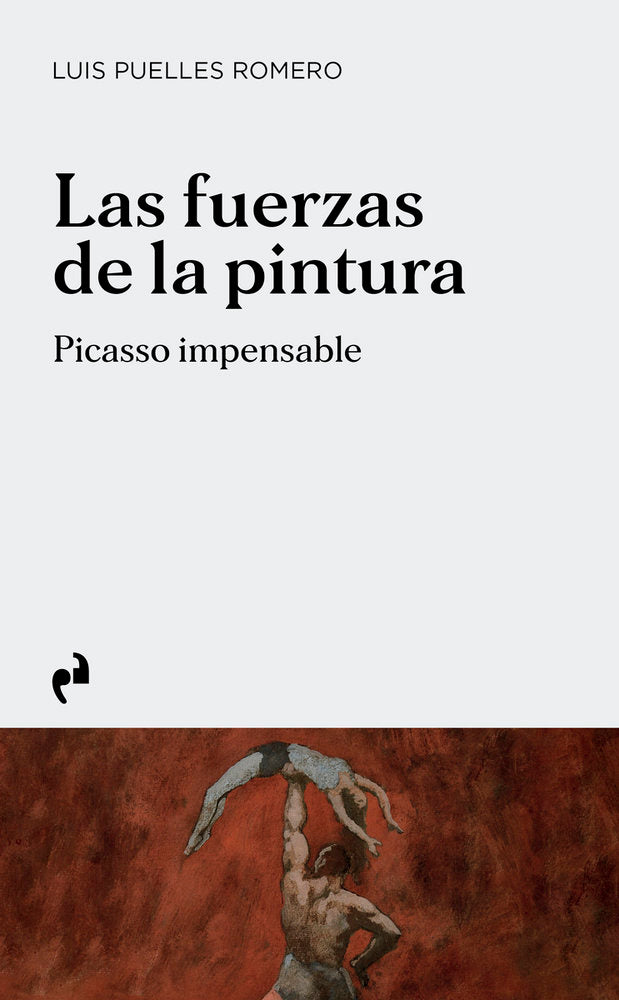
FORCES OF PAINTING
Book Summary
This essay proposes a profound reflection on the knowledge inherent to painting, that which cannot be captured by words. Through the work of Picasso, the author investigates the forces that allow painting to resist verbalized meaning and assert its power in the tragic, the plastic, and the pathic. A book for those seeking to understand art from its most indomitable essence.
What is it about?
The book starts from a central question: what does painting know that cannot be said in words? To answer it, the author uses Picasso's work as a guiding thread. It analyzes how Picasso's paintings do not lend themselves to being translated into a logical or narrative discourse, but rather assert their knowledge in the very resistance to verbalization. The text explores three fundamental forces: pathic forces (linked to emotion and affection), tragic forces (linked to conflict and contradiction), and plastic forces (inherent to materiality and form). In this way, a theory of art is constructed that vindicates the autonomy of pictorial language against the dominance of verbalized meaning.
Main themes
- Autonomy of pictorial language versus verbal discourse.
- Analysis of pathic, tragic, and plastic forces in Picasso's work.
- The resistance of painting to being reduced to meaning or narrative.
- The will to power of the artistic image as non-transferable knowledge.
- Relationship between pictorial creation and philosophy of art.
Who is it recommended for?
This book is aimed at students and professionals of art, philosophy, and aesthetics, as well as visual artists interested in the theory of painting. It will also be of great interest to readers with intellectual curiosity who are looking for a rigorous and unconventional approach to the work of Picasso and the meaning of contemporary art.
What this book contributes
- An original perspective on the knowledge that painting generates by itself.
- A detailed analysis of the forces operating in Picasso's work beyond biographical or historical interpretation.
- Conceptual tools to rethink the relationship between image and word in art.
- A philosophical approach that connects pictorial practice with issues of power, resistance, and meaning.
Technical specifications
- Author: PUELLES ROMERO, LUIS
- Publisher: EDICIONES ASIMETRICAS, S.L
- Language: Spanish
- Topic: ART GENERAL ASPECTS, ART THEORY, PAINTING AND PAINTINGS, ARTISTS, ART MONOGRAPHS, ARCHITECTURE
- Collection: ART
- Binding: Paperback
- Publication date: March 2025
- Number of pages: 173
- Weight: 261 g
Editorial review
A brief but dense essay that offers a renewed look at painting and its capacity to generate knowledge. The choice of Picasso as the axis allows the author to develop a solid and suggestive argument, far from the usual commonplaces. Recommended for readers looking for a demanding and stimulating intellectual reflection on art.